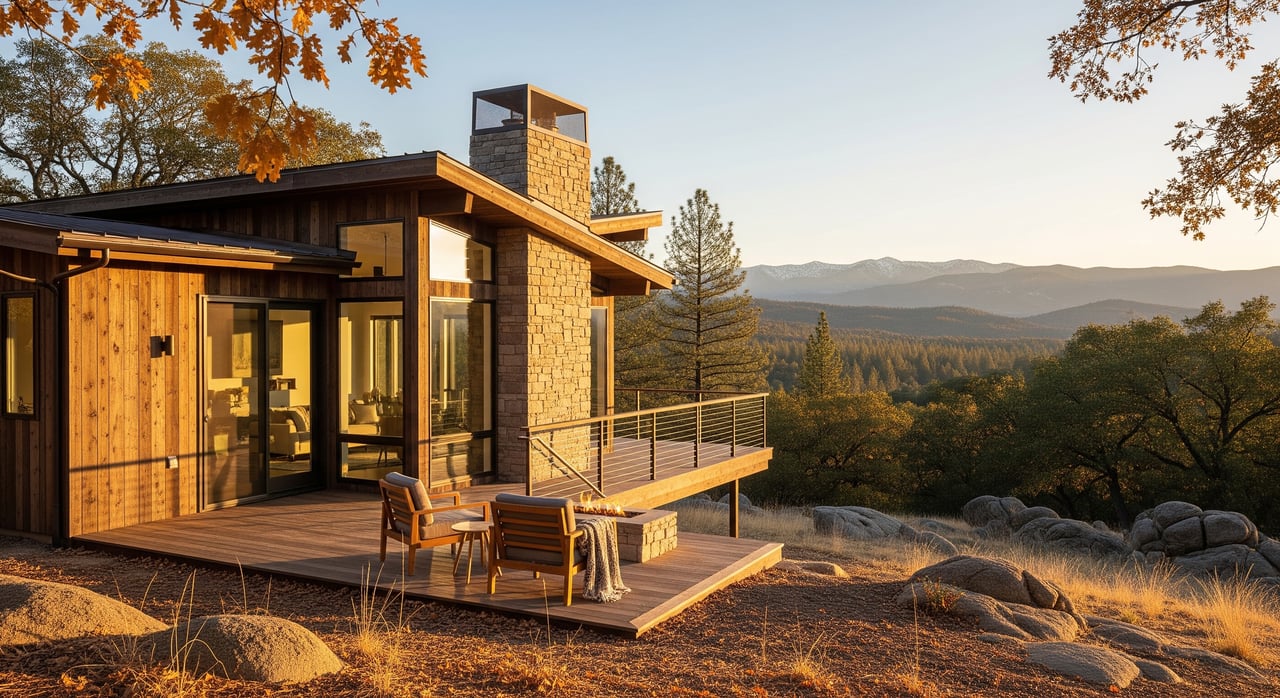
Thinking about trading city rush for pine-scented mornings and big-sky sunsets? If Oakhurst has been calling your name, you are not alone. Year-round life in the Sierra foothills offers a rare mix of outdoor access, small-town rhythm, and practical comforts. In this guide, you will learn how each season actually feels, what daily life looks like, and how to buy a home that works for all four seasons. Let’s dive in.
Oakhurst four seasons at a glance
Oakhurst sits in the Sierra Nevada foothills, where seasons really shape your routines. Summers run warm and dry with low humidity. Winters turn cooler and wetter, with rain and occasional light snow at higher spots nearby. Spring brings wildflowers and running creeks, while fall offers crisp air and clear days.
The foothills can shift quickly. Mornings often start cool, then warm up by afternoon. Microclimates vary street by street depending on elevation and sun exposure. If you like variety and outdoor living, the rhythm feels refreshing.
Winter: cozy days, storm-smart habits
Winter means fires in the wood stove, rain on the roof, and some travel reminders. You will want reliable home heating, whether that is propane, electric, or a wood-burning stove. After stronger storms, chain requirements can pop up at higher elevations, and mountain routes can slow down. The main road, State Route 41, is monitored for conditions and chain control during winter weather.
Daily life stays comfortable when you plan ahead. Keep a small winter kit in your car, maintain good tires, and watch storm forecasts. Around the house, check weather stripping and clean gutters to handle steady rains. Expect quieter trails and fewer visitors, which locals often love.
Spring: wildflowers and tune-ups
Spring arrives with green hillsides and colorful wildflowers across meadows and lower-elevation trails. Temperatures warm, rain tapers, and creeks run full from snowmelt. It is a prime time to hike, bike, birdwatch, or fish when flows and temps are right.
Spring is also maintenance season. You will likely clear gutters, check drainage, and touch up grading around the house to keep water moving away from the foundation. If you have seasonal allergies, plan for that too. Trails can be muddy early on, then dry out as late spring rolls in.
Summer: long days and fire awareness
Summer brings warm to hot days, low humidity, and long evenings outside. It is peak season for Yosemite and local recreation, which boosts restaurant and retail activity. Expect more traffic heading toward the park on weekends and holidays.
Wildfire risk also rises as vegetation dries out. Air quality can be affected by smoke at times, even from distant fires. Staying prepared matters. Create defensible space around your home, keep driveways accessible for emergency vehicles, and have a family evacuation plan.
Fall: crisp weather and prep time
Fall might be the most comfortable season of all. You will enjoy clear, cool days and fewer visitors after Labor Day. Higher elevations show off fall color, and local trails feel wide open.
This is also your moment to get winter-ready. Service your heating system, clean gutters again after leaf drop, and handle any roof or drainage fixes before the first big storm. Many residents also use fall to complete fuel-reduction work around their homes.
Outdoor fun and tourism rhythm
Oakhurst serves as a gateway to Yosemite’s south entrance, so visitor patterns shape how the town flows. Summer and holiday weekends stay busiest. Spring wildflowers and fall color draw secondary waves of travelers, while winter often feels calmer.
Winter activities
- Snow play at higher elevations when conditions allow
- Cozier days at local cafes and community events
- Quieter trail time on lower-elevation routes
Spring activities
- Wildflower viewing and birding
- Moderate hikes and mountain biking on drier days
- Trout fishing when creeks are flowing
Summer activities
- Higher-elevation hiking and backpacking
- River and stream time in suitable areas
- Outdoor markets and seasonal events
Fall activities
- Crisp hikes and scenic drives for leaf color
- Quiet weekends for local exploring
- Project time at home before winter
Daily living essentials
Road access and commuting
State Route 41 is your main artery to Fresno and Yosemite. Winter storms can slow travel at higher points, so you will want to check conditions during unsettled weather. Many residents commute to nearby cities, and most learn to plan around visitor peaks and snow events.
Utilities, heating, and internet
You will see a mix of heating setups, including propane systems, electric heat pumps, and wood-burning stoves. Internet and cellular service are available but can be spotty in more remote or uphill areas. Options may include cable or DSL in town centers and fixed wireless or satellite in rural pockets. If you work from home, check service options and speeds for the exact address.
Water can come from a municipal service or a private well with septic. If the property has a well, confirm depth, pump condition, and water reliability with inspections.
Power outages can happen during winter storms or during public-safety power shutoffs in high fire risk periods. Many homeowners keep a backup generator or battery system and store essentials.
Health care, schools, and shopping
Oakhurst offers clinics and urgent care for everyday needs. For major hospital services, you may travel to larger valley medical centers. The area has K–12 schools within the local district. You will find grocery, hardware, and everyday retail in town. For specialty goods, many residents make a periodic trip to larger cities.
Hazards and preparedness
Wildfire readiness
The Sierra foothills hold a higher wildfire risk during hot, dry summers. You will want to create and maintain defensible space by trimming vegetation, removing ladder fuels, and keeping roofs and gutters clear of debris. Consider fire-resistant roofing and ember-resistant vents when possible, and keep driveways accessible for emergency vehicles. Have an evacuation plan and a list of go-bag essentials.
Winter storms, flooding, and erosion
Heavy rain events can cause localized flooding and erosion. Direct water away from your home with clean gutters, downspout extensions, and proper grading. On sloped lots, monitor drainage patterns and consider erosion-control measures if needed. After storms, check culverts, driveways, and ditches for blockages.
Power and water continuity
Plan for outages that can last a day or more. If you are on a well, remember that a power loss can stop the pump, which means no tap water. A generator, battery backup, and stored water keep life running smoothly during interruptions.
Insurance and documentation
In higher-risk areas, homeowners insurance can be more expensive or harder to secure. Start getting quotes early in your buying process. Document your mitigation work, such as defensible space, ember-resistant vents, or non-combustible roofing materials. Confirmation of these steps can help with underwriting.
Buying for four-season living
Housing types and lots
You will find a mix of homes, from in-town cottages and ranch styles to custom cabins and hillside properties. Lot character matters. Slope, driveway access, drainage, and vegetation density affect maintenance, access during winter, and fire preparation. In wooded settings, pay attention to tree spacing and fuels management.
Short-term rentals and rules
Proximity to Yosemite makes short-term rentals appealing for some owners. Local rules, county ordinances, and HOA policies may apply. Before you model rental income, confirm zoning, permitting, and tax requirements. Seasonality matters too. Summer and holidays typically see the strongest demand, with spring and fall shoulder seasons.
Seasonally informed buyer checklist
Use this quick checklist as you tour properties and plan inspections:
- Heating and cooling: age and condition of furnace or heat pump, wood stove and chimney service records.
- Roof and gutters: material, condition, and readiness for storms; ember resistance where applicable.
- Water supply: well depth and pump age, or municipal connection details; backup plan for drought or outages.
- Drive and access: driveway grade, turnarounds, clearance for emergency vehicles, and winter accessibility.
- Vegetation and fuels: current defensible space, tree distance from structures, and history of fuel reduction.
- Utilities and connectivity: internet and cellular options at the address, outage history, and septic system condition.
- Insurance: early quotes for wildfire-exposed addresses and any inspection requirements.
Costs and maintenance to plan for
Four-season living is rewarding, and it works best when you budget for mountain-specific upkeep.
- Landscape and fuels work: ongoing defensible space and tree maintenance.
- Roof and drainage: periodic gutter cleaning and seasonal checks before storms.
- Septic or well service: routine inspections and maintenance, if applicable.
- Energy costs: heating and cooling needs vary from the valley; consider efficiency upgrades and backup power.
How we help, from lifestyle to income
If you are buying for the lifestyle, investing for income, or planning to sell at peak value, you deserve a local partner who covers the full journey. Our team blends hands-on buyer and seller representation with investor services, including short-term rental strategy, county certification support, launch planning, and full-service property management led by Carolyn Shanks. We coordinate inspections, local contractors, and compliance so you can move from offer to everyday living with clarity and confidence.
Ready to explore four-season mountain living in Oakhurst? Reach out to Tchukon Shanks to schedule a free consultation.
FAQs
What is the winter climate like in Oakhurst?
- Winters are cool and wetter, with rainy periods and occasional light snow at higher nearby elevations, so plan for reliable heat and storm-aware travel.
How does tourism affect daily life near Yosemite?
- Summer and holiday weekends bring more traffic and busier restaurants and shops, while spring and fall see moderate waves of visitors and winter is generally quieter.
What should I know about wildfire risk in the foothills?
- Fire risk increases in hot, dry summers, so prioritize defensible space, accessible driveways, ember-resistant features when possible, and an evacuation plan.
Are utilities and internet reliable across Oakhurst?
- Service is available, but internet and cellular can be spotty in more remote areas; check address-specific options and consider backup power for outages.
What inspections matter most when buying a mountain home?
- Focus on heating systems, roof and gutters, water supply details, driveway access, vegetation and fuels, internet options, septic condition, and insurance quotes.