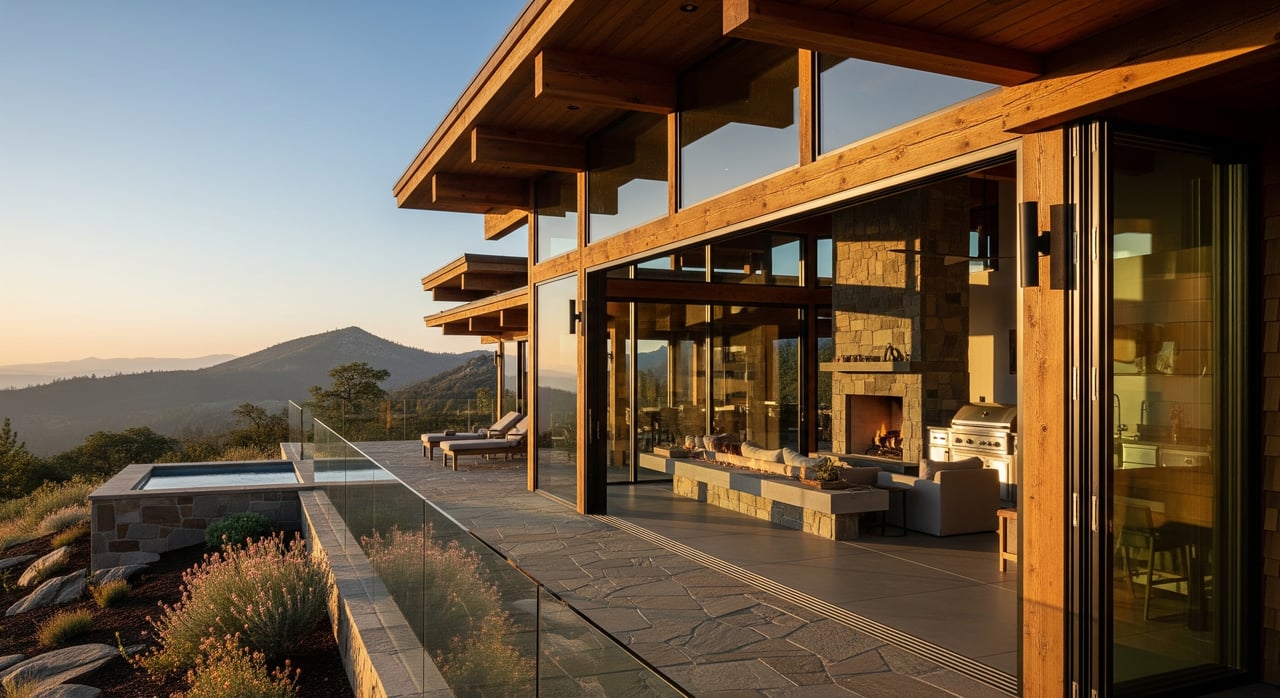
Dreaming of a mountain home in Ahwahnee but not sure which features truly matter? You are not alone. Buyers here balance outdoor living with practical needs like wildfire resilience, water and septic systems, and reliable power. This guide walks you through the features Ahwahnee buyers love, plus the checks and steps that help you invest wisely. Let’s dive in.
Outdoor living that works year-round
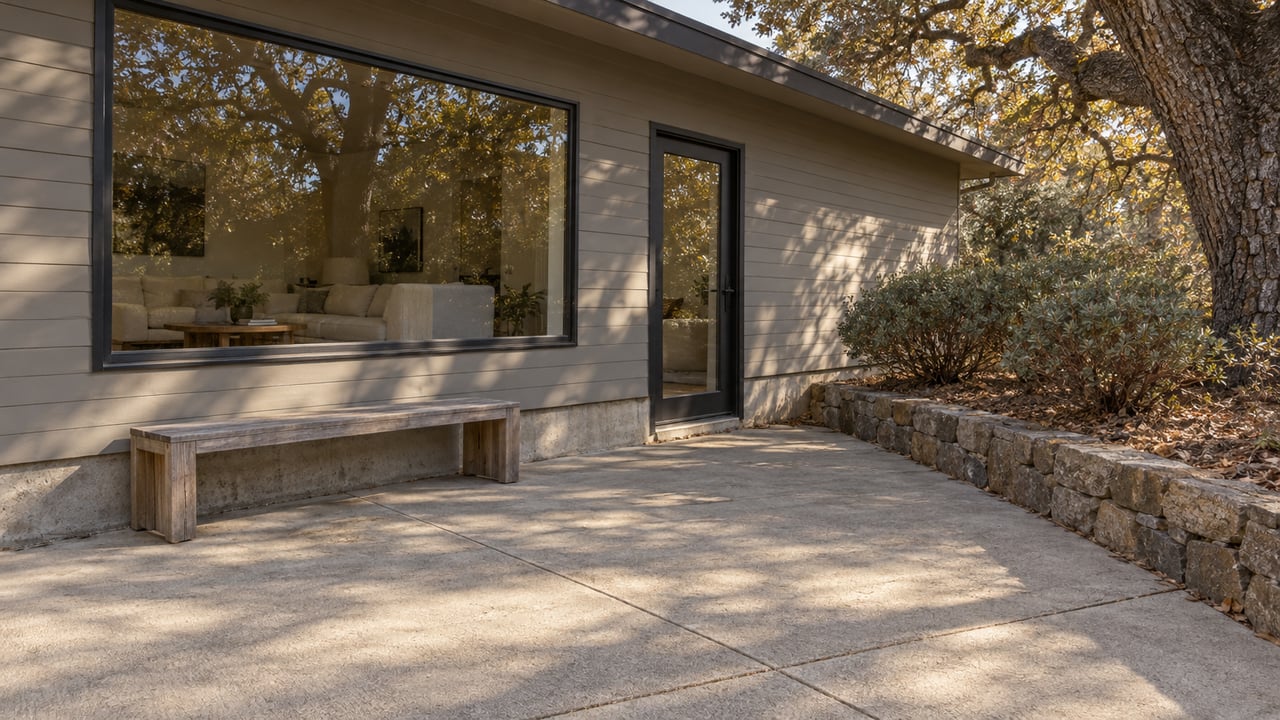
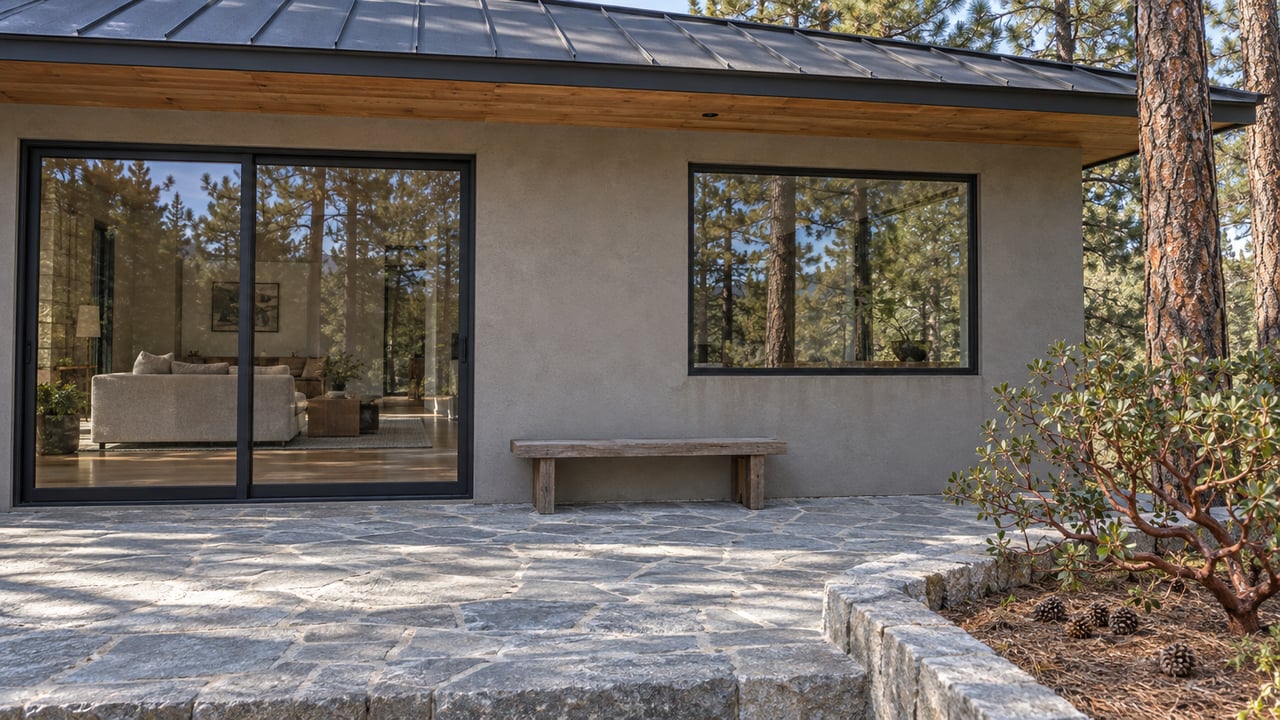
Ahwahnee buyers look for usable outdoor spaces that capture views and make everyday life easier. Think covered patios for shade and rain, composite or other ignition-resistant decking, and clear zones for dining and lounging. Well-planned outdoor areas extend your living space without major additions and show well in photos and showings.
Add comfort details that make the space usable across seasons. Retractable shades, wind screens, and safe, permitted heat sources keep patios comfortable in shoulder seasons. Hardscaping also reduces maintenance and supports defensible-space planning around the home.
Before you build or expand, verify permits with Madera County Building & Planning. Check deck structure, fasteners, and ledger flashing, and size for local snow and wind conditions. Near the home, use non-combustible or ignition-resistant materials and keep vegetation managed to meet local fire guidelines.
EV-ready parking that keeps you moving
EV ownership is growing, and Level 2 readiness is a small upgrade that makes a big difference. “EV-ready” typically means a dedicated 240V, 40A or higher circuit to the garage or parking area, with an accessible outlet or conduit. Prewiring during a remodel is usually simpler and less costly than retrofitting later.
Plan for panel capacity and future expansion. Many homes benefit from conduit from the main panel to the parking spot, plus reserved breaker space. If you want the ability to charge during outages, consider pairing with a battery system and a dedicated subpanel for critical loads, subject to local permitting.
California building codes often require EV readiness in new construction or larger renovations. Confirm the current Title 24 requirements and check with your local utility on interconnection steps and any available incentives.
Smart gear storage and mudroom design
Mountain life comes with gear. Dedicated storage keeps your living areas tidy and protects equipment. A functional mudroom near a main entry with tile or sealed concrete flooring, a bench, hooks, and cubbies goes a long way during wet or snowy days.
In the garage, wall-mounted racks, vertical bike storage, and sturdy shelving help you organize bulky items. Consider ventilated cabinets and a few well-placed outlets for tool and battery charging. If you add exterior storage, choose lockable, weather-resistant solutions and provide airflow to manage moisture.
Small touches matter. Heated boot or glove storage and boot dryers help in winter, and drip trays protect floors. Plan for ventilation to prevent mold and keep maintenance low.
Energy-smart upgrades for resilience
Energy efficiency and resilience are top priorities in the Sierra foothills. Rooftop solar paired with a battery can keep critical loads powered during Public Safety Power Shutoffs. Buyers value documented systems that are permitted, owned rather than leased when possible, and sized for real-world use.
The federal residential clean energy tax credit is currently 30% for qualifying installations. State and utility incentives vary, and California’s net metering rules have evolved, so confirm current program details before you buy or install.
Heat pumps for space heating and hot water can reduce operating costs and improve comfort. Add insulation and air sealing, low-e windows, and smart thermostats or zones to help with day-night temperature swings. Keep records of permits, interconnection agreements, and recent utility bills that show solar production for buyer review.
Wildfire-wise choices that matter
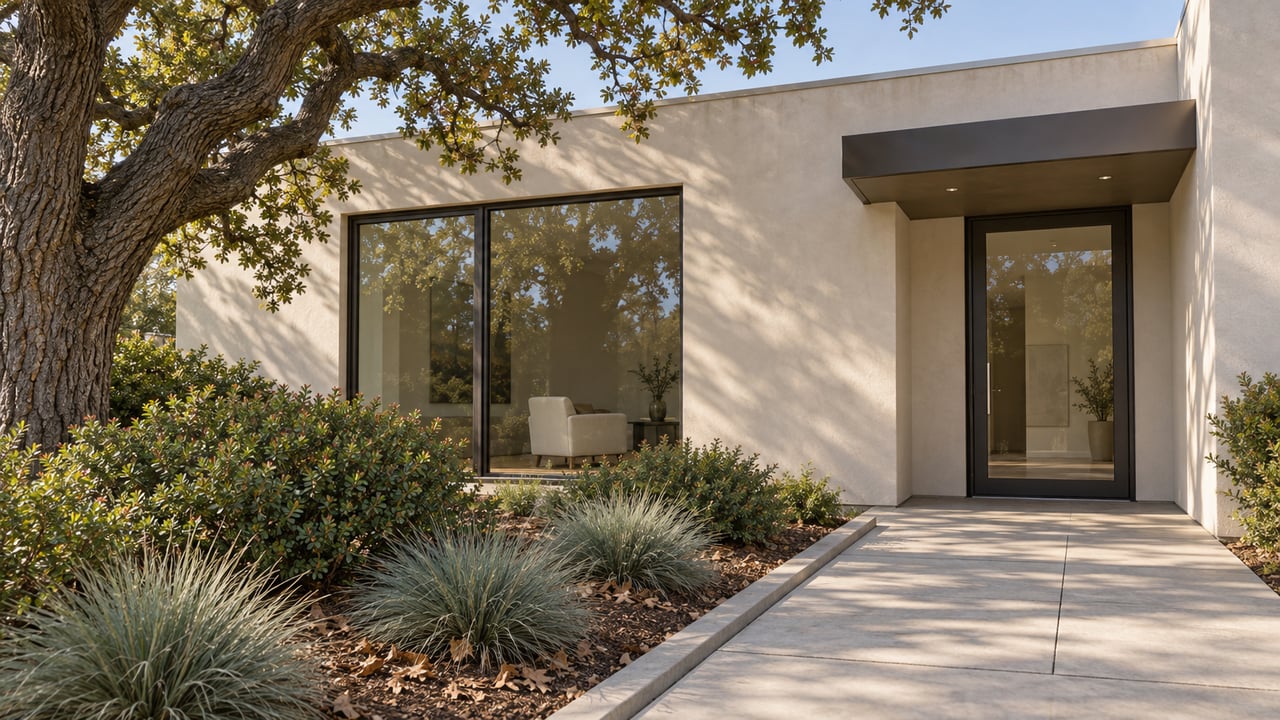
The Sierra foothills face elevated wildfire risk, so materials and landscaping are critical. Focus on ember resistance at the roof, vents, eaves, and siding. Use ignition-resistant or non-combustible materials near structures and maintain defensible-space zones per local fire guidance.
Outdoor living areas should follow the same principles. Choose fire-resistant decking and keep combustible items and vegetation away from the home. Wildfire mitigation can also affect insurance options, so document upgrades for underwriting.
Water, septic, and access realities
Many Ahwahnee properties rely on private wells and septic systems. As a buyer, request well yield and water quality tests, plus septic permits and pump or inspection history. As an owner, keep clear service records to build buyer confidence.
Water-wise landscaping and drought-resilient irrigation appeal to buyers and reduce ongoing costs. Also consider access: steep or narrow driveways, seasonal mud or snow, and distance to main roads can affect livability and emergency response. Plan outdoor projects with delivery access and clearance for service and fire vehicles in mind.
Plan your project the right way
Sequence your improvements for the best results. Start with safety and code compliance, including wildfire mitigation, structural checks, and well and septic servicing. Next, choose durable, low-maintenance materials for outdoor living, followed by comfort and efficiency upgrades like insulation and heat pumps. Finish with aesthetic updates.
Bring in the right professionals. A licensed electrician experienced with EV charging and battery systems, a solar contractor familiar with wildfire-area installations, and a general contractor who knows local codes can save time and headaches. Keep permits, final inspections, warranties, and maintenance logs on file for your eventual sale.
Buyer inspection checklist for Ahwahnee homes
- Solar and battery: ownership or lease, production data, interconnection agreement, capacity, circuits served, and transfer switch details.
- EV readiness: service size, panel capacity, presence of a 240V outlet or prewired conduit.
- Wildfire mitigation: roofing type, ember-resistant vents, gutter screens, and a documented defensible-space plan.
- Water and septic: well pump test, water quality report, septic permits, and pump or inspection history.
- Structures: deck permits and inspection records, condition of fasteners and ledger connections.
- Utilities and insurance: recent utility bills, time-of-use rates, PSPS history, current insurer and premiums.
Resale and ROI perspective
Homes that blend lifestyle and practicality tend to stand out in Ahwahnee. Buyers increasingly reward resilience features like batteries and clear defensible space, along with convenience features like EV-ready parking and organized storage. Energy upgrades can lower operating costs, though actual payback depends on current tariffs and incentives.
Durable outdoor materials and well-designed storage deliver strong perceived value during showings. Focus on documented, permitted improvements that fit foothill life and you will set your property apart for both lifestyle buyers and investors.
Ready to evaluate a home or plan upgrades with local context in mind? Reach out to Tchukon Shanks for a friendly, expert walk-through of features, inspections, and next steps.
FAQs
What outdoor features add the most value to an Ahwahnee mountain home?
- Covered patios, ignition-resistant decking, all-season shade or wind screens, and low-maintenance hardscaping that supports defensible space are top draws.
How do PSPS outages change which upgrades I should prioritize?
- Solar with a battery that supports critical loads, a panel or subpanel configured for backup, and smart load management help you stay comfortable during shutoffs.
What does EV-ready parking mean for a foothill property?
- A dedicated 240V, 40A or higher circuit with an outlet or conduit to the parking spot, panel capacity reserved for a charger, and planning for future upgrades.
What should I ask about a home’s well and septic before I buy in Madera County?
- Request well yield and water quality tests, septic permits and maintenance records, and any recent inspections or pumping history.
How can I tell if a deck or patio was built with permits in Madera County?
- Ask the seller for permit and final inspection records, and verify details like ledger flashing, fasteners, and structural support during inspections.
Do solar panels and batteries increase resale value in Ahwahnee?
- Buyers often value resilience and lower operating costs, but pricing depends on system ownership, documentation, and current utility tariffs and incentives.
What wildfire-hardening steps matter most to buyers and insurers?
- Ember-resistant vents, ignition-resistant materials near the structure, maintained defensible space, and documented mitigation work help with safety and insurability.